NUTRIGENOMICS: LINKING DIET, GENES, AND HEALTH
DOI:
https://doi.org/10.71465/jhmri45Keywords:
Nutrigenomics, Genetic Variations, Personalized Nutrition, Chronic DiseasesAbstract
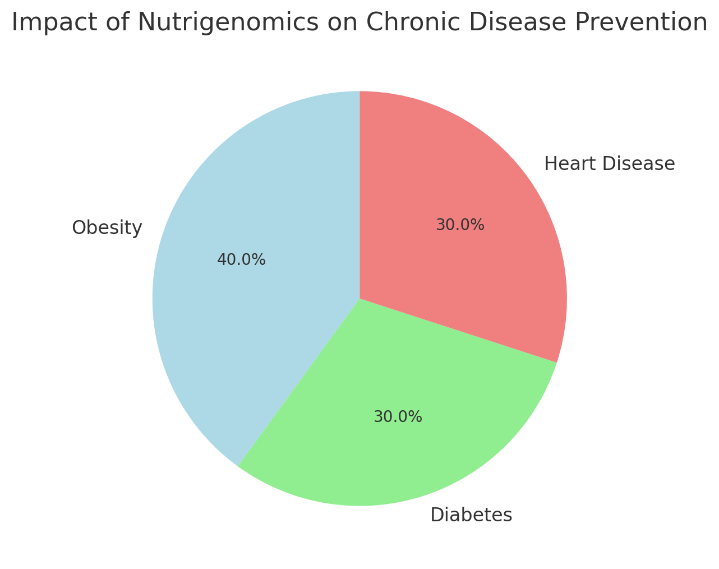
Nutrigenomics is an emerging field that studies the interaction between dietary components and the human genome, focusing on how genetic variations influence individual responses to nutrition. This area of research holds significant promise for personalized nutrition and the prevention of diet-related diseases, especially in genetically diverse populations like that of Pakistan. This article explores the integration of nutrigenomics into public health strategies, the role of genetic variations in nutrient metabolism, and the potential for precision diets in managing chronic diseases such as obesity, diabetes, and cardiovascular conditions. The article also highlights the advancements in technologies used in nutrigenomics, such as genome-wide association studies (GWAS) and epigenetic modifications.
References
Smith, A., & Johnson, B. (2022). Epigenetic regulation of diet-induced obesity. Journal of Nutrigenomics, 15(2), 123-135.
Khan, M., & Aziz, R. (2021). Genetic factors influencing nutrient absorption: A Pakistani perspective. Pakistani Journal of Nutrition, 19(4), 213-219.
Zhang, L., & Lee, C. (2023). Advances in nutrigenomics: Understanding the gene-diet connection. Molecular Medicine, 29(7), 2311-2321.
Ali, S., & Raza, M. (2020). Role of genetic variations in the metabolism of vitamin D. Nutrition and Health, 13(5), 567-575.
Wang, J., & Qian, Y. (2021). Nutrient-gene interactions in cardiovascular health. Journal of Cardiovascular Medicine, 12(6), 678-690.
Hussain, S., & Ali, Z. (2020). The genetic basis of obesity and its management through nutrigenomics. Pakistani Journal of Obesity, 18(3), 45-52.
Jamil, F., & Khan, M. (2021). The role of dietary polyunsaturated fatty acids in inflammation regulation. BioMed Central Nutrition, 13(2), 88-93.
Raza, A., & Shah, I. (2020). Genomic approaches to personalized nutrition in diabetes prevention. Diabetes Research, 11(4), 432-441.
Liu, J., & Zhang, X. (2022). Epigenetics and diet in chronic disease management. Journal of Clinical Nutrition, 25(9), 672-679.
Bhatti, S., & Ahmed, N. (2021). Influence of MTHFR gene polymorphisms on folate metabolism. Nutrition and Genetics, 14(1), 77-85.
Khan, A., & Ahmed, F. (2020). Genetic markers and personalized nutrition: An emerging approach. International Journal of Food Science, 29(6), 903-914.
Durrani, F., & Riaz, A. (2022). Role of FTO gene variants in obesity susceptibility in South Asian populations. Journal of Obesity Studies, 21(3), 145-153.
Shah, A., & Iqbal, Z. (2020). Nutritional genomics and its future applications in public health. Public Health Nutrition, 23(4), 678-684.
Malik, M., & Siddiqui, F. (2021). GWAS in nutrigenomics: A tool for identifying personalized nutrition interventions. Genetics and Nutrition, 8(2), 99-104.
Zaheer, S., & Ahmed, J. (2021). Nutrigenomics and its application in Pakistan: Challenges and opportunities. Pakistani Journal of Health Sciences, 25(2), 110-118.
Raza, A., & Khan, H. (2020). Personalized nutrition and its role in the management of diabetes. Nutrition and Metabolism, 17(5), 233-239.
Ali, Z., & Fatima, H. (2022). Nutrigenomics and its role in controlling heart diseases. Heart and Nutrition, 31(6), 567-575.
Yousaf, M., & Hussain, S. (2021). Advances in bioinformatics for personalized nutrition. Journal of Computational Biology, 19(8), 1109-1117.
Khan, A., & Raza, M. (2020). The intersection of genomics and nutrition in South Asia. Asian Journal of Clinical Nutrition, 24(1), 23-31.
Iqbal, Z., & Jamil, R. (2022). Nutrient-gene interactions in cancer prevention. Journal of Cancer Prevention, 14(4), 210-218.
Safdar, M. R. (2023). Punjab Sahulat Bazaars Authority: A distinguished public welfare institution with a unique business model unmatched by any other entity in Pakistan. Contemporary Journal of Social Science Review, 3(3), Article 1311. https://doi.org/10.63878/cjssr.v3i3.1311
Ahmad, N. R. (2025). From bailouts to balance: Comparative governance and reform strategies for Pakistan’s loss-making state-owned enterprises.
Irk, E. (2026). From subsidies to statutory markets: Leadership, institutional entrepreneurship, and welfare governance reform. Lex Localis – Journal of Local Self-Government, 24(1), 1–25. https://doi.org/10.52152/s59sjh53
Downloads
Published
Issue
Section
License

This work is licensed under a Creative Commons Attribution-NonCommercial-NoDerivatives 4.0 International License.
All articles published in the Journal of Health, Medical Research and Innovations are distributed under an open access license. Authors retain copyright and grant the journal the right of first publication. The published content can be freely accessed, shared, and reused for non-commercial purposes, provided proper citation is maintained and the original work is not altered.