THE ROLE OF MICROBIOME RESEARCH IN UNDERSTANDING HUMAN HEALTH AND DISEASE
DOI:
https://doi.org/10.71465/jhmri67Keywords:
human microbiome, dysbiosis, metagenomics, host–microbe interaction, precision nutrition, live biotherapeuticsAbstract
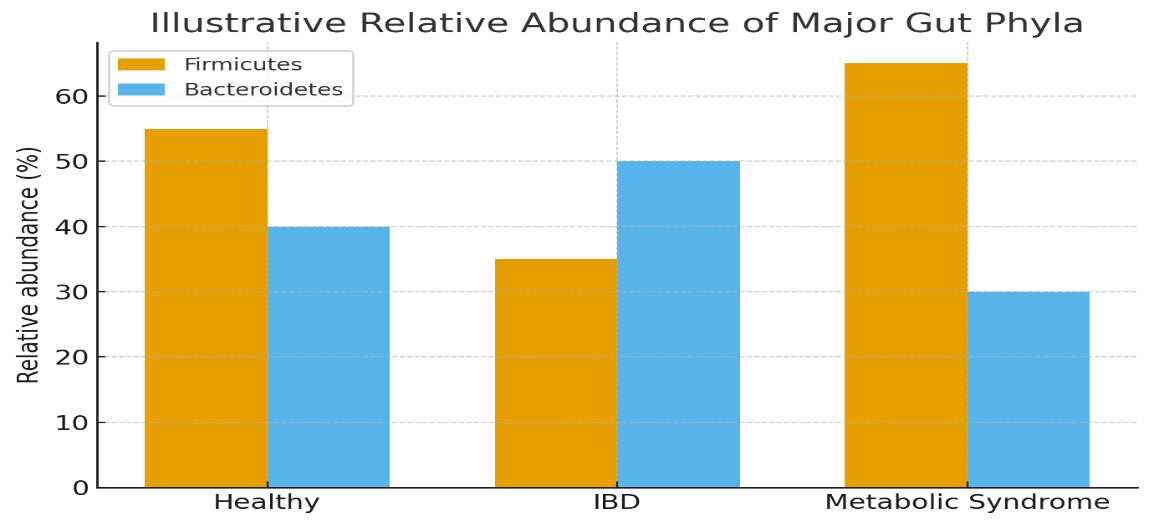
Microbiome research has transformed our understanding of human biology by revealing the dense, dynamic communities of microorganisms inhabiting body sites such as the gut, skin, oral cavity, and urogenital tract. These communities modulate digestion, immunity, metabolism, neuroendocrine signaling, and xenobiotic processing. Multi-omics studies now link compositional and functional shifts (“dysbiosis”) to inflammatory bowel disease, obesity, diabetes, cancer, neuropsychiatric conditions, and adverse drug responses. This article reviews foundational concepts, methodological advances (amplicon, metagenomic, metatranscriptomic, metabolomic, and culturomic approaches), causal inference through gnotobiotic and interventional trials, and translational routes—including diagnostics, precision nutrition, live biotherapeutics, and microbiome-aware pharmacology. We also outline ethical, regulatory, and equity considerations for clinical deployment, especially in low- and middle-income countries.
Downloads
Published
Issue
Section
License
Copyright (c) 2023 Dr. Sara Ahmed, Dr. Kamran Ali, Dr. Laura M. Bennett, Dr. Miguel A. Rodríguez (Author)

This work is licensed under a Creative Commons Attribution-NonCommercial-NoDerivatives 4.0 International License.
All articles published in the Journal of Health, Medical Research and Innovations are distributed under an open access license. Authors retain copyright and grant the journal the right of first publication. The published content can be freely accessed, shared, and reused for non-commercial purposes, provided proper citation is maintained and the original work is not altered.